Design Thinking for Beginners Utilize the five-step design thinking process for problem-solving by adopting a human-centered approach to identify and creatively address challenges.
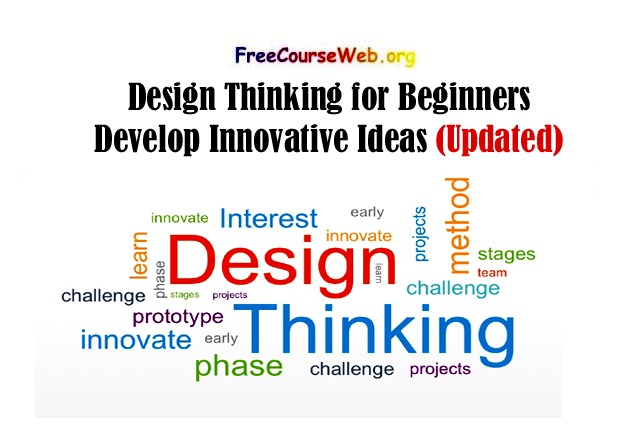
Design Thinking for Beginners
| Learning Objectives | Description |
|---|---|
| Apply the 5-step design thinking process | Learn how to systematically apply the design thinking methodology to address challenges effectively. |
| Empathize with users | Develop the skill of understanding and connecting with users through interviews and observations. |
| Define core problems | Synthesize gathered information to precisely define the core problem and articulate its significance. |
| Ideate solutions | Engage in brainstorming sessions using “How might we…” statements to generate creative solutions. |
| Prototype ideas | Rapidly create prototypes to visualize and test potential solutions, identifying the most effective one. |
| Test prototypes | Gather user feedback by testing prototypes, allowing for refinement and improvement of proposed solutions. |
| Pitch design thinking to teams or organizations | Develop storytelling skills to effectively communicate the value of design thinking to your team or organization. |
| Requirements | Description |
|---|---|
| Professional Skills | Participants should have a comfortable proficiency in their own professional skills to effectively apply design thinking principles to challenges in their field. |
| NASBA CPE Accreditation | The course is NASBA CPE accredited, indicating compliance with the National Association of State Boards of Accountancy standards for Continuing Professional Education. |
| NASBA CPE Credits | Participants can earn 1.8 NASBA CPE credits upon successful completion of the course. |
| Field of Study | Recommended NASBA field of study: Personal Development. |
| Program Level | The course is designed for beginners, making it accessible to individuals at the introductory level. |
| Earn NASBA CPE Credits | To earn NASBA CPE credits, participants need to complete all videos and achieve a score of 70% or higher on the final exam. |
| Glossary | A PDF glossary is available and attached to the first lecture of the course. |
| Completion Timeline | Participants are required to complete the course and obtain CPE within a year after the purchase date. |
This table provides a concise overview of the key requirements and details associated with the design thinking course, particularly in relation to NASBA CPE accreditation.
Tableau A-Z: Hands-On Tableau Training For Data Science
Technical Analysis 102: Secrets Of Trading
How to Earn Money with EarnKaro: Guide