Foundation Stock Trading: Starting your journey in stock trading requires a good understanding of the basic concepts and skills.
Before buying or selling stocks, it is important to learn how the stock market works, how prices change, and how to manage risk. A strong foundation can help beginners make more informed decisions and avoid common mistakes.
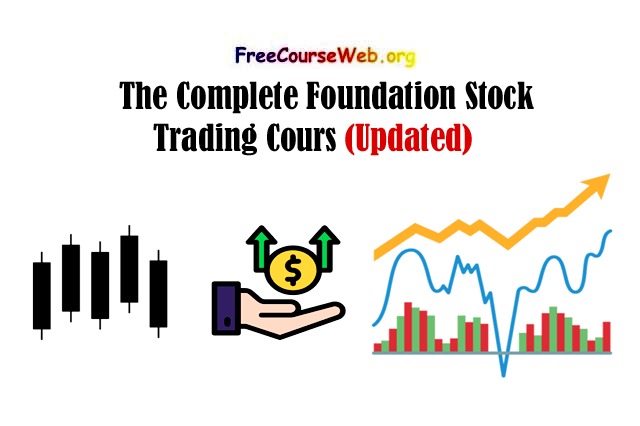
The Complete Foundation Stock Trading Course aims to equip aspiring traders with the essential tools and insights needed to navigate the complexities of the stock market.
Zero To Hero Crypto Trading Video Course
Learn Facebook Ads Masterclass
High CPC Keywords | Most Expensive Keywords in Google Adsens
What is Computer Hardware? Features & Types i
This comprehensive course covers key concepts, strategies, and practical techniques to empower individuals in making informed investment decisions.
1. Understanding the Basics / Foundation Stock Trading
In this module, you will learn the basic ideas of stock trading and how the stock market works. You will understand what stock exchanges are, who takes part in the market, and how different financial products are used. You will also learn the basics of stock valuation and understand how economic conditions can affect stock prices and market trends.
Example: Learn how economic indicators such as GDP and unemployment rates can affect the stock market. For example, strong GDP growth may support higher stock prices, while high unemployment may create pressure on the market.
2. Technical Analysis Techniques
In this module, you’ll learn the basics of technical analysis and how traders study charts to understand price movements. You’ll learn about different chart patterns, market trends, support and resistance levels, and useful technical indicators. These tools can help traders understand market behavior and make more informed trading decisions.
Example: Learn how to use moving averages and the Relative Strength Index (RSI) to study price trends and identify possible buying or selling opportunities.
3: Fundamental Analysis and Stock Valuation
In this module, you’ll learn about fundamental analysis and how to understand the financial health of a company. You’ll study financial statements, earnings reports, and important performance indicators to see how well a company is doing. You’ll also learn how to estimate a company’s value and find possible investment opportunities by looking at its financial condition, profits, and growth potential.
Example: Analyze a company’s financial statements to understand its profitability, financial health, and future growth potential.
4: Risk Management Strategies
In this module, you’ll learn how to manage risk and protect your money while trading stocks. You’ll explore important techniques such as position sizing, stop-loss orders, and portfolio diversification to help reduce possible losses. You’ll also understand why proper risk management is important for creating a trading strategy that can work over the long term.
Example: Create a simple risk management plan for a sample stock portfolio, including how much money to invest and how to limit possible losses.
5: Trading Psychology and Emotional Discipline
In this module, you’ll learn how emotions can affect trading decisions. Trading can sometimes create feelings like fear, greed, stress, or overconfidence, which may lead to poor decisions. You’ll learn about common mistakes and behavioral biases that traders often face. You’ll also learn simple ways to stay calm, follow your trading plan, and maintain discipline when the market moves up or down.
Example: Understand how fear and greed can affect trading decisions and learn ways to control these emotions and avoid making decisions based only on feelings.
6: Trading Strategies and Execution
In this module, you’ll learn about different trading strategies, including day trading, swing trading, and long-term investing. You’ll understand why having a clear trading plan is important and how to follow that plan when buying or selling stocks. You’ll also learn about different order types and how trading platforms are used to place and manage trades.
Example: Practice a simple day trading strategy by identifying possible entry and exit points before making a trade.
7: Market Analysis and News Interpretation
In this module, you’ll learn how to follow market trends and understand financial news. You’ll see how important events around the world can affect stock prices and different industries. You’ll also learn how economic conditions, government decisions, and other major events can influence the market and how this information can be considered when making trading decisions.
Example: Study how a geopolitical event can affect a particular industry or market sector and understand why stock prices may move after such an event.
Conclusion:
The Complete Foundation Stock Trading Course provides a comprehensive and practical approach to stock trading.
By mastering the fundamental principles, technical and fundamental analysis, risk management, and trading strategies, participants will be well-equipped to navigate the dynamic world of stock markets and make informed investment decisions.
This course sets the stage for a successful and sustainable journey in the exciting realm of stock trading.